

Islamabad witnessed its deadliest terror attack in nearly two decades on Friday after a suicide bomber targeted a Shia mosque during Friday prayers, killing at least 31 people and injuring 169 others. Authorities warned that the death toll could rise as several victims remain in critical condition.
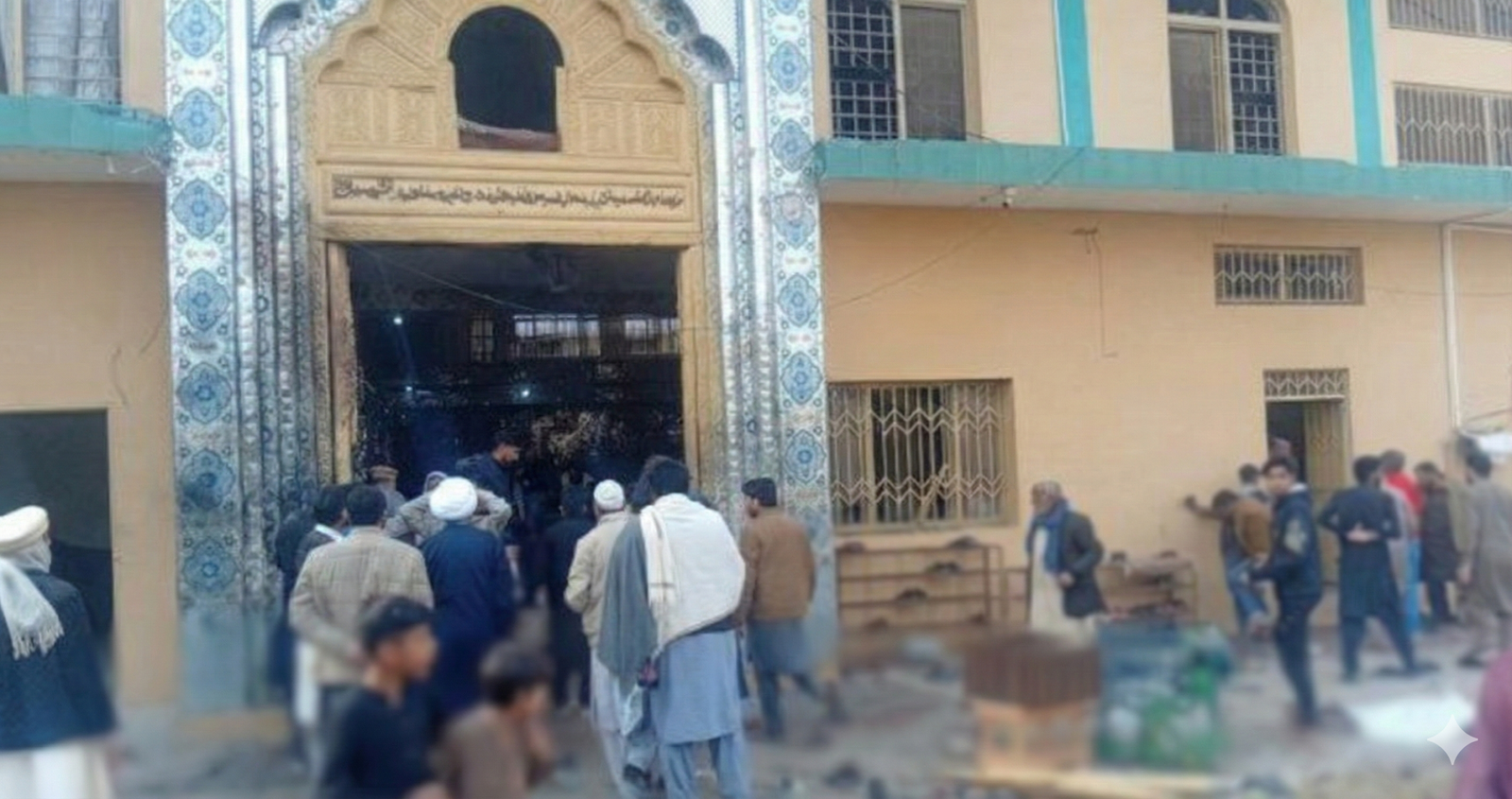
The explosion struck the Imam Bargah Qasr-e-Khadijatul Kubra mosque in the Tarlai area on the outskirts of the capital at a time when worshippers had gathered in large numbers for congregational prayers. According to security officials, the attacker was intercepted at the mosque’s entrance and detonated explosives strapped to his body.
The Islamic State (IS) group claimed responsibility for the attack, stating that one of its militants had carried out the bombing to target worshippers inside the mosque. The claim was circulated by the SITE Intelligence Group, which tracks extremist communications.
Eyewitnesses described scenes of panic and devastation. Muhammad Kazim, a 52-year-old worshipper, said the blast occurred just as prayers began. He recalled hearing gunfire moments before a powerful explosion tore through the mosque. Another worshipper, Imran Mahmood, said volunteer guards attempted to stop the attacker and that a brief exchange of fire took place before the bomber detonated himself.
Hospitals across Islamabad were overwhelmed as ambulances rushed the wounded for treatment. Journalists at the Pakistan Institute of Medical Sciences reported harrowing scenes, with victims—some of them children—being carried in by relatives, volunteers and emergency workers. Blood-stained clothing, debris and broken glass marked the aftermath, while grieving families waited anxiously outside emergency wards.
Security forces sealed off the attack site as forensic teams began investigations. Pools of blood were visible near the mosque entrance, and personal belongings were scattered around the cordoned-off area.
Prime Minister Shehbaz Sharif strongly condemned the attack, calling it an act of terror and vowing that those responsible would be identified and punished. Deputy Prime Minister Ishaq Dar described the bombing as a crime against humanity and said Pakistan remained united in its fight against terrorism.
International condemnation followed swiftly. United Nations Secretary-General António Guterres said attacks on civilians and places of worship were unacceptable under any circumstances.
The bombing marks the deadliest attack in Islamabad since September 2008, when a suicide truck blast at the Marriott Hotel killed around 60 people. It comes amid a surge in militant violence across Pakistan, particularly in regions bordering Afghanistan.
Pakistan, a Sunni-majority country, has a significant Shia minority that has faced repeated sectarian attacks over the years. Authorities have blamed both Islamist militant groups and separatist insurgents for escalating violence in provinces such as Khyber Pakhtunkhwa and Balochistan. Islamabad has also accused militant groups of using Afghan territory as a base for launching attacks—claims denied by Afghanistan’s Taliban government.
The last major terror incident in the capital occurred in November, when a suicide blast outside a court complex killed 12 people. Meanwhile, recent attacks in Balochistan have killed dozens of civilians and security personnel, triggering large-scale counter-operations by Pakistani forces.
As the nation mourns the victims of Friday’s attack, security has been tightened across Islamabad and other major cities amid fears of further violence.