

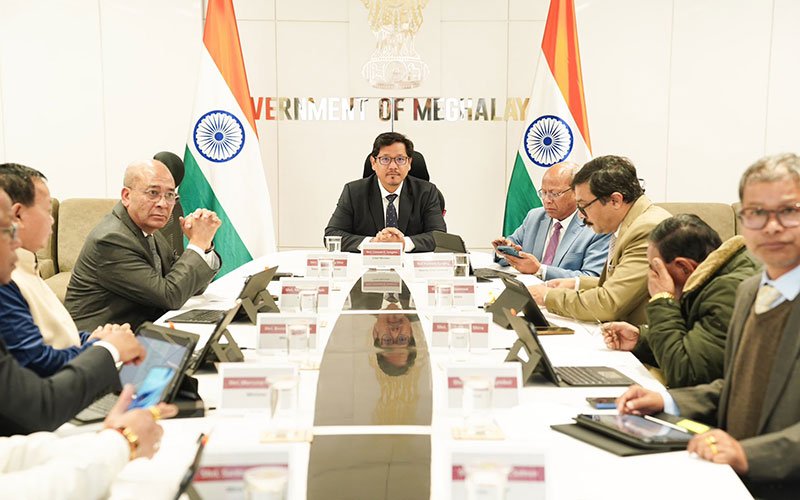
The Meghalaya Cabinet has finalised the schedule for elections to the Garo Hills Autonomous District Council (GHADC), with polling set to take place on April 10, 2026. Chief Minister Conrad K. Sangma announced the decision through a post on X on Monday, outlining key dates and procedures related to the electoral process.
The Cabinet has decided that the elections to the Garo Hills Autonomous District Council (GHADC) will be held on April 10, 2026.
Polling is scheduled for April 10, while the counting of votes will take place on April 14, 2026.
The gazette notification will be issued on March 9,… pic.twitter.com/CsTHS5kXtF
— Conrad K Sangma (@SangmaConrad) February 17, 2026
According to the Chief Minister, the counting of votes for the GHADC elections will be conducted on April 14, 2026. The formal election process will begin with the issuance of the gazette notification on March 9, 2026. Candidates aspiring to contest the elections will be required to file their nomination papers by March 16, the same day on which scrutiny of nominations will be carried out after 3:00 PM. The window for withdrawal of candidature will remain open until March 17, while the final list of valid nominations along with the allotment of election symbols will be published on March 18, 2026.
The announcement brings clarity to the election timeline for the GHADC, a key autonomous body that plays an important role in governance and administration in the Garo Hills region. The elections are expected to be closely watched, given the political significance of the council and its influence on local development and tribal governance.
In a separate but significant decision, the Meghalaya Cabinet has also resolved to table the State Reservation Policy Report in the Assembly on February 18, 2026, during the ongoing Budget Session. Chief Minister Sangma confirmed this development in another social media post, stating that the report would be placed before the House for discussion.
The State Reservation Policy Report is considered a crucial document, as it proposes revisions to the existing reservation framework in the state. The recommendations are likely to have wide-ranging implications for the distribution of government jobs and educational opportunities among various communities, including the Khasi, Jaintia and Garo groups, as well as Scheduled Tribes, Scheduled Castes and candidates from the open category.
Together, the decisions on the GHADC election schedule and the tabling of the reservation policy report highlight an active phase in Meghalaya’s political and administrative calendar. With both electoral and policy-related developments unfolding in the coming months, the state is expected to witness heightened political engagement and debate across regions and communities.