

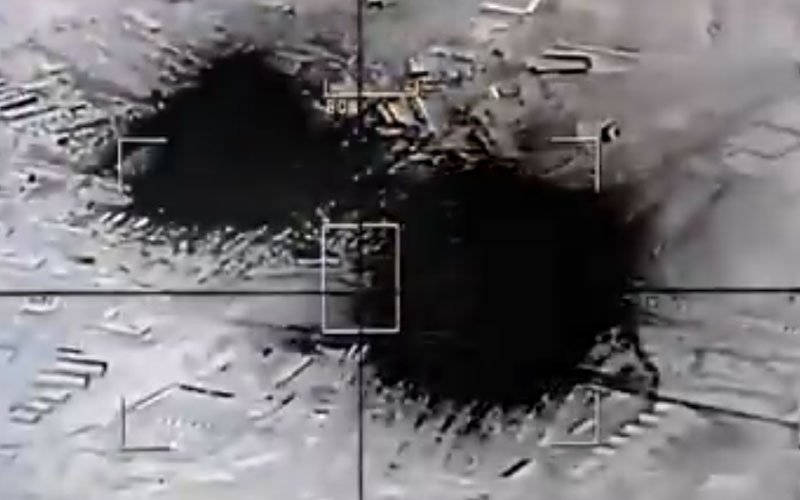
Tensions between Pakistan and Afghanistan sharply escalated after Islamabad declared an “open war” against the Taliban-led Afghan government following renewed clashes along their shared border.
The escalation followed Pakistani airstrikes on Kabul, Kandahar, and parts of southeastern Afghanistan on Friday. The strikes came just hours after Afghan forces attacked Pakistani border positions, which Kabul described as retaliation for earlier Pakistani airstrikes on Afghan border areas earlier this week.
Pakistan’s Defence Minister Khawaja Asif announced the launch of Operation Ghazab Lil Haq, stating that Islamabad’s patience had “reached its limit.” In a post on X, he said the confrontation had now turned into open warfare.
Airstrikes and Ground Clashes
At least three explosions were reported in Kabul, though Afghan authorities did not immediately provide details on the exact locations or casualties. Taliban spokesperson Zabihullah Mujahid said Pakistani aircraft also struck Kandahar and Paktia provinces.
Earlier, Afghan officials said their forces launched a cross-border assault late Thursday, claiming it was in response to Pakistani airstrikes carried out on Sunday. Afghanistan alleged that more than a dozen Pakistani army posts were captured during the offensive, a claim strongly rejected by Islamabad.
Afghanistan’s defence ministry said eight of its soldiers were killed in the land operation.
Civilian Casualties Near Torkham
An Afghan official told AFP that several civilians were wounded near the Torkham border crossing after a mortar shell hit a refugee camp housing people returning from Pakistan. Seven refugees were injured, including one woman in critical condition. Afghan authorities later said the camp was being evacuated as fighting continued.
The border has remained largely closed since earlier clashes in October, although limited crossings for Afghan returnees have continued.
Pakistan’s Response
Pakistan said its military conducted airstrikes targeting what it described as Afghan Taliban military facilities in Kabul, Kandahar, and Paktia. Information Minister Attaullah Tarar said the strikes were launched in response to “unprovoked firing” from across the border.
State broadcaster PTV News reported that several key Taliban military installations were destroyed, including brigade and corps headquarters, ammunition depots, and logistics bases. Pakistan did not release casualty figures from the airstrikes.
Interior Minister Mohsin Naqvi accused the Afghan Taliban of attempting to target civilians and said Pakistan’s armed forces had responded decisively. He warned that Pakistan would not allow its security to be compromised.
Conflicting Claims on Casualties
The two sides issued sharply different casualty figures. Afghanistan claimed 55 Pakistani soldiers were killed and several captured, while saying eight of its own troops died and 11 were wounded. Pakistan rejected these claims.
Pakistani officials said only two soldiers were killed and three wounded, while later statements claimed that at least 133 Afghan fighters were killed and more than 200 injured. Islamabad also denied that any Pakistani soldiers were taken prisoner.
Both sides reported heavy exchanges of fire in the Torkham area. Pakistani police said mortar rounds fired from Afghanistan landed near villages, prompting residents to move to safer locations. No civilian casualties were reported on the Pakistani side.
Regional Tensions Remain High
Afghan authorities released video footage showing military vehicles and heavy gunfire, along with claims that several Pakistani posts were captured. The footage could not be independently verified. Afghanistan also claimed it had shot down a Pakistani fighter jet, a claim not confirmed by Islamabad.
Relations between the two neighbours have been strained for months, with deadly border clashes reported in October. A Qatar-mediated ceasefire has struggled to hold, and several rounds of talks failed to produce a formal agreement.
UN Secretary-General António Guterres has urged both sides to protect civilians and resolve differences through diplomacy, warning that continued violence risks further destabilising the region.
Pakistan has blamed rising militant violence inside its territory on armed groups it says operate from Afghanistan, a charge denied by both the Afghan Taliban and the groups involved.