

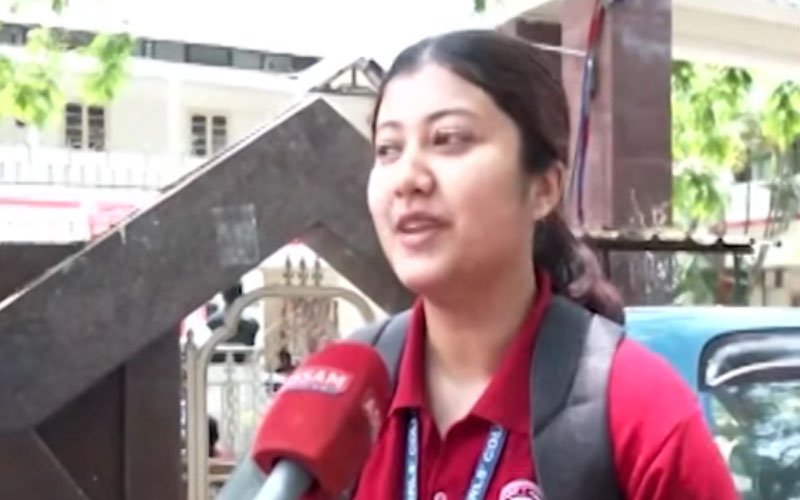
Guwahati, Assam: The initiative to transform Guwahati into a “Purple City” has received a positive response from the city’s younger generation, with many students and residents welcoming the move as a step toward promoting cleanliness, civic responsibility, and a more attractive urban environment.
The concept, reportedly being promoted as part of ongoing cleanliness and beautification efforts, aims to create a distinct identity for areas that maintain high standards of sanitation and public upkeep. The initiative has sparked discussions among residents, particularly students, who believe it can encourage greater public participation in keeping the city clean.
Speaking on the initiative, a student described it as a positive step for the city. According to the student, Guwahati is already known for its natural beauty, and the Purple City concept could further enhance its appeal. The student said that the colour purple could become a symbolic marker of clean and well-maintained areas, helping residents identify and take pride in neighbourhoods that uphold cleanliness standards.
The student also expressed hope that authorities would continue expanding the programme and strengthen efforts to maintain sanitation across the city. “If purple becomes a symbol of cleanliness, it will encourage people to take responsibility for keeping their surroundings clean,” the student remarked.
While another student noted that purple may not be a personal favourite colour, the student added that the overall idea should be judged by its impact and how it shapes the city’s appearance in the future.
Several young residents also highlighted the importance of civic sense in ensuring the success of such initiatives. One student pointed out that a lack of public awareness and responsible behaviour often undermines cleanliness efforts. Citing examples from local neighbourhoods, the student observed that even facilities installed for community welfare, such as dog-feeding stations, are sometimes misused as dumping spots for garbage.
The student stressed that urban cleanliness cannot be achieved through government action alone and requires active participation from citizens. According to the student, initiatives such as the Purple City campaign can help generate new ideas, increase awareness, and motivate people to adopt better civic habits.
The response from the youth indicates growing support for innovative urban development projects that combine city branding with public participation. Many believe that creating a unique identity around cleanliness can inspire residents to take greater ownership of public spaces.
As Guwahati continues to expand as the gateway to Northeast India, civic initiatives that focus on sanitation, beautification, and public awareness are expected to play an important role in shaping the city’s future image. The Purple City concept, supporters say, has the potential to become more than just a branding exercise—it could serve as a reminder of the collective responsibility required to keep Guwahati clean, green, and welcoming for residents and visitors alike.
With encouragement from the younger generation and continued efforts from civic authorities, the vision of a cleaner and more vibrant Guwahati may soon become a reality.