

High-level talks between the United States and Iran are set to begin in Islamabad today, aiming to ease tensions and end the ongoing conflict in the Middle East. The discussions come during a fragile two-week ceasefire that has temporarily paused weeks of heavy missile exchanges in the Gulf region.
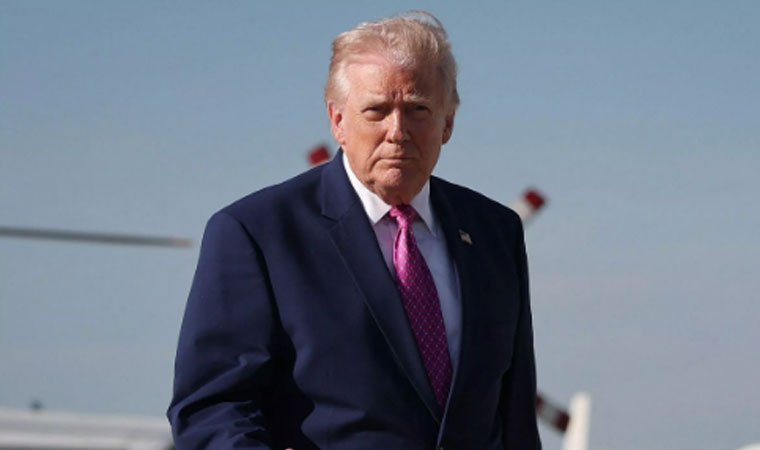
Ahead of the talks, US President Donald Trump stated that Washington does not have a backup plan if negotiations fail. He expressed confidence in the US military’s actions, claiming that Iran’s capabilities have been significantly weakened and that there is no need for an alternative strategy.
Delegations Reach Islamabad
The Iranian delegation, led by Parliament Speaker Mohammad Bagher Ghalibaf, arrived in Islamabad along with Foreign Minister Seyed Abbas Araghchi. They were received by Pakistan’s Foreign Minister Ishaq Dar and Army Chief Asim Munir.
The US delegation will be led by Vice President JD Vance, who warned Iran before departure that any attempt to undermine the talks would be met with a firm response.
Key Differences Remain
Major disagreements persist between the two sides. The US has proposed a 15-point framework that reportedly requires Iran to give up its highly enriched uranium and accept limits on its military programs.
In response, Iran has presented a 10-point plan seeking reparations and recognition of its sovereignty over the Strait of Hormuz.
Military Tensions Continue
Despite ongoing diplomatic efforts, reports indicate that the US has increased its military presence in the region. The ceasefire has created a brief opportunity for dialogue, but the situation remains tense.
Regional Developments
Meanwhile, Lebanon and Israel are preparing for talks next week after recent strikes raised fears of further escalation. The outcome of the US-Iran discussions is expected to play a crucial role in shaping stability across the Middle East.
The negotiations are being closely watched as a key moment that could determine whether peace efforts succeed or tensions rise again.