

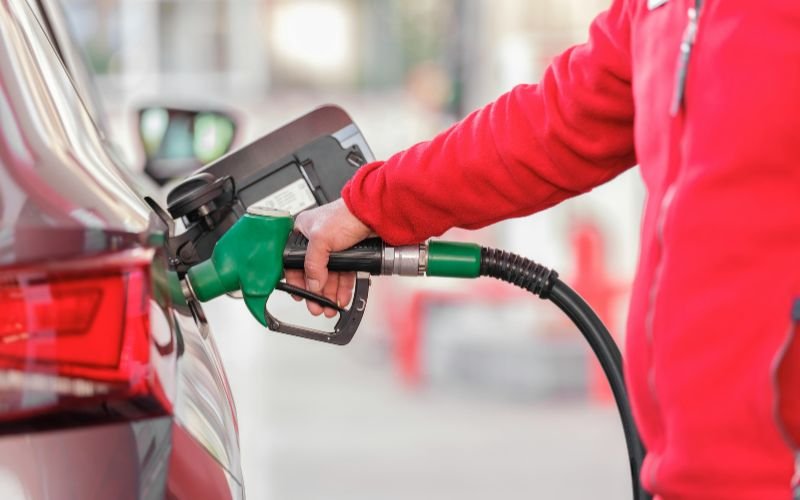
In a significant move affecting consumers across the country, the Central Government has increased the retail prices of petrol and diesel in all four metro cities from Friday, May 15. This marks the first major hike in fuel prices for retail consumers in nearly four years. Alongside petrol and diesel, the price of CNG has also been revised upward by Rs 2 per kilogram in key cities.
Under the revised rates, petrol prices in Delhi have reached Rs 97.77 per litre after a hike of Rs 3. In Kolkata, petrol now costs Rs 108.74 per litre following an increase of Rs 3.29. Mumbai residents will pay Rs 106.68 per litre, while in Chennai the revised rate stands at Rs 103.67 per litre.
Diesel prices have also witnessed a sharp rise. In Delhi, diesel now costs Rs 90.67 per litre after a Rs 3 increase. Kolkata saw a hike of Rs 3.11, taking the price to Rs 95.13 per litre. In Mumbai, diesel now costs Rs 93.14 per litre, while Chennai consumers will pay Rs 95.25 per litre.
The government has also approved an increase in CNG prices. In Delhi, CNG rates have gone up from Rs 77.09 per kg to Rs 79.09 per kg. Mumbai Metropolitan Region (MMR) consumers will now pay Rs 84 per kg after a Rs 2 hike announced earlier this week.
The fuel price revision comes amid mounting financial pressure on India’s major oil marketing companies, including Indian Oil Corporation Limited, Bharat Petroleum Corporation Limited, and Hindustan Petroleum Corporation Limited. According to reports, these state-run firms were collectively losing nearly Rs 1,600 crore daily as global crude oil prices surged while domestic retail prices remained largely unchanged.
Industry experts say the sharp rise in international crude prices after the Iran conflict intensified placed heavy pressure on the fuel sector. Before the crisis in West Asia, India’s imported crude basket averaged around $69 per barrel. However, prices later climbed above $113 per barrel, forcing oil companies to absorb massive costs for several months.
Economists and financial experts had earlier suggested that fuel prices would eventually need adjustment to reflect international market realities. Finance Commission Chairman Arvind Panagariya was among those who supported allowing domestic fuel prices to rise gradually.
Prime Minister Narendra Modi had also appealed to citizens to conserve fuel and adopt remote working wherever possible to reduce fuel consumption and pressure on foreign exchange reserves. Supporting this appeal, the Delhi government led by Chief Minister Rekha Gupta launched a 90-day public awareness campaign promoting fuel-saving lifestyle changes. The administration also announced work-from-home arrangements for government offices on two days each week.
Despite concerns over rising prices, the Centre has assured citizens that there is no fuel shortage in the country. Officials stated that India currently maintains nearly 60 days of fuel reserves along with around 45 days of LPG inventories to manage market volatility.
Economists warn that the latest fuel price increase could further push inflation upward. Higher petrol, diesel, and CNG costs generally lead to increased transportation and logistics expenses, which eventually impact the prices of essential commodities and daily-use goods. Experts believe that rising living costs may reduce household savings and weaken consumer spending, potentially slowing economic growth in the coming months.
However, analysts also note that the price revision became unavoidable due to the steep increase in global energy prices and the growing burden on oil companies.